
Make Safety Part of the Celebration
While cookouts and fireworks can make for great memories, they also increase the risk of burns and other injuries. Taking a few simple precautions can help keep you and your loved ones safe while enjoying the festivities.
Fireworks Safety: Leave It to the Professionals
Fireworks are a leading cause of burn injuries during the summer months. Sparklers, often considered one of the safest fireworks, can reach temperatures of nearly 2,000 degrees Fahrenheit—hot enough to melt some metals and cause severe burns.
To reduce your risk:
- Attend professional fireworks displays whenever possible.
- Never allow young children to handle fireworks or sparklers.\
- Keep a bucket of water or a garden hose nearby.
- Maintain a safe distance from fireworks after they are lit.
- Never relight fireworks that fail to ignite.
- Dispose of used fireworks by soaking them in water before throwing them away.
- Avoid using fireworks while under the influence of alcohol or other substances.
Grill Smart to Prevent Burns
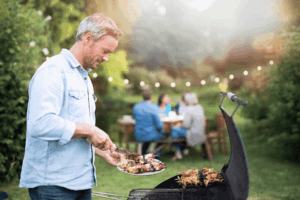
Whether you’re cooking burgers, hot dogs or vegetables, grills can pose significant burn hazards if not used properly.
Before You Start Grilling
- Place grills on a flat, stable surface away from homes, decks, trees and other flammable materials.
- Keep children and pets at least three feet away from the grilling area.
- Inspect propane grills for leaks before use.
- Never use a grill indoors, in a garage, or under covered structures not designed for grilling.
While Cooking
- Use long-handled grilling tools to keep your hands away from heat and flames.
- Wear close-fitting clothing and avoid loose sleeves that could catch fire.
- Never leave a hot grill unattended.
- Keep a fire extinguisher nearby and know how to use it.
Campfires and Fire Pits Need Attention Too
Gathering around a fire pit is another favorite summer activity. Help prevent burns by:
- Keeping chairs, blankets and other combustible items away from flames.
- Supervising children at all times.
- Avoiding the use of gasoline or other accelerants to start or revive fires.
- Fully extinguishing fires before leaving the area.
Know What to Do if a Burn Happens
Quick action can help reduce the severity of a burn.
Seek Medical Care Immediately If:
- The burn is larger than the person’s palm.
- The burn affects the face, hands, feet, genitals or major joints.
- The skin appears white, charred or leathery.
- The burn was caused by electricity or chemicals.
- Signs of infection develop, such as increasing redness, swelling, warmth or drainage.
For Minor Burns
- Remove the person from the source of the burn.
- Cool the burn under cool (not cold or icy) running water for 10 to 20 minutes.
- Remove jewelry or tight items before swelling begins.
- Cover the burn with a clean, dry, non-stick bandage.
- Do not apply butter, oils, toothpaste or other home remedies.
Make Safety Part of the Celebration
A few extra precautions can go a long way toward preventing painful injuries and unexpected trips to the emergency room. By practicing safe grilling habits, using caution around fireworks and knowing basic burn first aid, you can focus on what matters most—enjoying time with family and friends.