
Screenings Can Prevent Colorectal Cancer
Colorectal Awareness Month is a reminder that colorectal cancer is highly preventable and treatable when detected early. Leading U.S. medical organizations emphasize the importance of routine screening and healthy lifestyle choices to protect colorectal health.
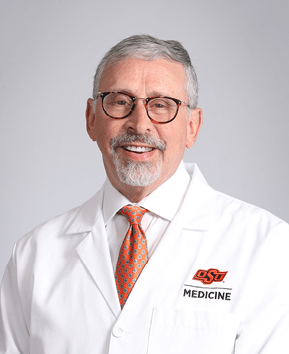
“Colorectal cancer often develops quietly, without symptoms,” said Sheldon Berger, D.O., FACOI, board-certified gastroenterologist at OSU Medicine. “That’s why screening is so powerful. It allows us to find and remove precancerous polyps before cancer ever has a chance to form.”
Unfortunately, colorectal cancer and polyps are becoming more common at younger ages. Therefore, the screening age has been lowered from 50 to 45 years of age. Colonoscopy is still the preferred screening test, but other types of screenings are available. These include stool for occult blood and other DNA tests, but these are not 100% accurate, and a colonoscopy should be done if any test is positive.
Why Colorectal Health Is Important
- Colorectal cancer is one of the most common cancers in the U.S.
- It often begins as precancerous polyps that can be detected early.
- Early detection significantly improves survival rates.
- Many people have no symptoms in the early stages.
Who Should Be Screened
- Adults at average risk should begin colorectal cancer screening at age 45.
- Earlier or more frequent screening may be recommended for those with:
- A family history of colorectal cancer or polyps.
- Inflammatory bowel disease.
- Genetic conditions such as Lynch syndrome.
Conditions & Symptoms to Watch For
Contact a healthcare provider if you experience:
- Blood in or on your stool.
- Persistent changes in bowel habits.
- Abdominal pain or ongoing discomfort.
- Unexplained weight loss or fatigue.
How to Reduce Your Risk
- Eat a diet rich in fruits, vegetables, and whole grains.
- Limit red and processed meats.
- Stay physically active and maintain a healthy weight.
- Avoid tobacco and limit alcohol use.
- Follow recommended colorectal screening guidelines.
“Screening isn’t just about finding cancer, it’s about preventing it,” Dr. Berger adds. “Advances in colorectal screening, including improved imaging and AI-assisted detection, are helping us identify abnormalities more accurately than ever before.”
When to See a Doctor
- If you are 45 or older and haven’t been screened.
- If you have symptoms or increased risk factors.
- If you’re unsure which screening option is right for you.
This Colorectal Awareness Month, early screening can make all the difference.
To make an appointment, contact the OSU Gastroenterology clinic.
OSU Gastroenterology – Houston Center
717 S. Houston Ave., Suite 501 | Tulsa
Phone: 918-747-5322